Teacher Pencil Apple Patch: A Designer’s Review
Every embroidery designer knows that the right file can make or break a small business merchandise line. When I first opened the Teacher Pencil Apple Patch design, I immediately saw a blend of classic school-day nostalgia and quiet commercial potential. It’s not just a cute back‑to‑school motif; for a coffee shop, a handmade stationery brand, or a boutique bakery, this machine embroidery design offers a friendly, almost storybook charm that can work surprisingly well as a branded accent. The description promises a detailed look suitable for apparel, linens, and décor items, with a note on commercial use. That matters because when you’re running a real business, every embroidered patch, apron logo, or tote bag detail has to pull its weight. In this review, I’ll walk through exactly how the Teacher Pencil Apple Patch performs when you’re thinking beyond simple decoration and into brand identity.
First Impressions: Classic Charm Meets Business Potential
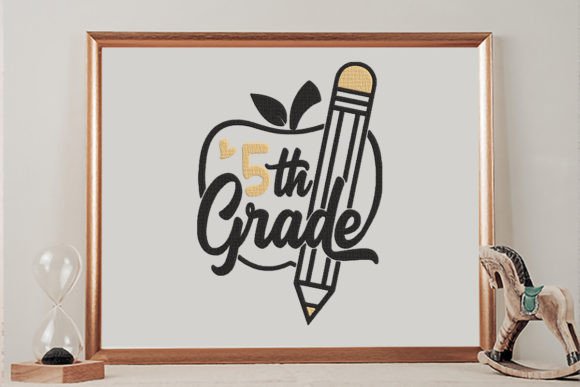
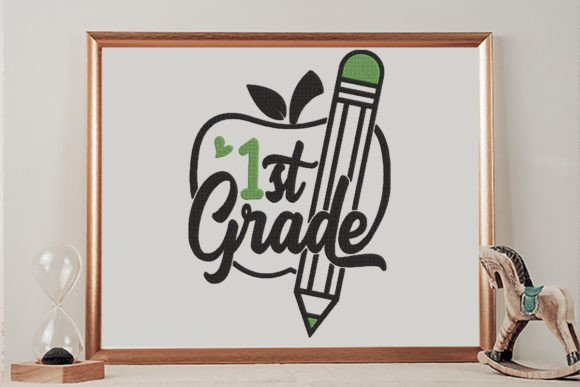
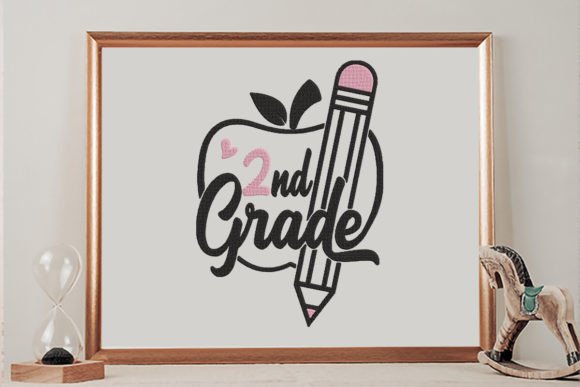
At a glance, the design feels hand‑drawn and warm. The pencil and apple combination is universally recognizable, but here it’s given an embroidery‑friendly structure that leans toward a polished patch style. The composition likely places the apple and pencil in a balanced arrangement, maybe with a subtle outline that gives it a slightly vintage, almost collegiate feel. For a small business, this is gold. It doesn’t scream “school supply” unless you want it to. Instead, I see a mark that could be repositioned as a rustic bakery emblem, a florist’s whimsical touch, or a café’s chest logo that whispers “handmade with care.” The visual personality is friendly without being childish, and detailed enough to feel premium on a finished product. The description mentions “detailed embroidery design,” which suggests a higher stitch count and refined shading. That’s great for a professional look, but it also means you’ll need to test it carefully on real fabrics before you commit to a production run.
Embroidered Patches for Branded Merchandise
If you’re building a small business merch line, patches are a low‑risk, high‑value way to start. The Teacher Pencil Apple Patch works beautifully as a standalone embroidered patch. You can sew it onto caps, denim jackets, canvas tote bags, or even use it as a sew‑on label for handmade goods. I’ve seen brands use similar designs on the back of a work shirt or as a subtle pocket detail. Because the patch format isolates the design, it becomes a collector’s item for fans of your shop. The key is to test the stitch density at the final patch size. A design that looks airy on screen might turn stiff and bulletproof on a small patch if the stitch count is too high. Run a sample and wash it a few times to see how it holds up.
Staff Uniforms and Apron Embroidery
For a café, bakery, or creative studio, embroidering this design on a staff apron instantly unifies the team. I’d place it on the left chest or on a bib apron pocket. The Teacher Pencil Apple Patch brings a sense of playful professionalism that customers notice. It says you paid attention to the details. On a dark cotton or denim apron, the thread colors will need enough contrast to pop. If the design uses muted, vintage tones, you may need to adjust thread choices or digitizing to keep it legible under dim café lighting. Always test on the exact fabric and stabilizer combination you’ll use in production. A heavy twill apron needs a different approach than a lightweight linen blend.
Caps and Tote Bags: Building a Cohesive Brand Look
Caps are tricky because of the curved surface. The Teacher Pencil Apple Patch might be a bit tall if the pencil is positioned vertically, so measure the available embroidery area on your cap and reduce the design size carefully. I often recommend a center‑front placement or a small left‑side accent. On tote bags, the design can be scaled up to create a bold, eye‑catching statement, or kept small and repeated as a pattern. For a handmade brand, a single embroidered apple‑pencil motif on a natural canvas tote bag feels authentic and instantly gift‑ready. The design’s details will show best on medium‑weight, non‑stretchy fabrics here.
Product Packaging Accents and Customer Gifts
Small touches build loyalty. I’ve used embroidery files to create tiny tags for product packaging. Stitch the Teacher Pencil Apple Patch on a small piece of linen, fray the edges, and attach it to a jar of honey, a candle, or a bundle of dried flowers. It becomes a reusable keepsake that extends your brand’s presence far beyond the purchase. Similarly, you can embroider it onto cloth pouches, tea towels, or fabric gift wrap. The commercial use permission mentioned in the description makes these applications viable for businesses. Just confirm the specific license terms when you purchase the digital embroidery file.
Careful Considerations: When to Scale Down or Adjust
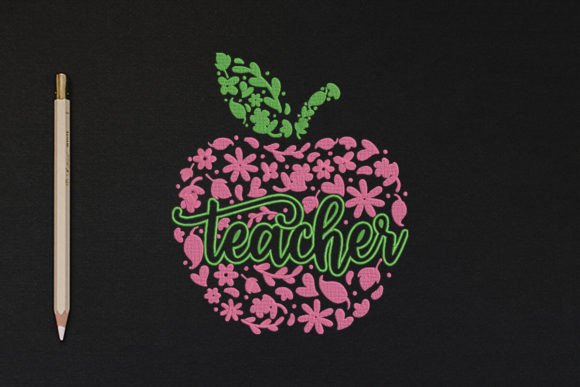
Not every design works everywhere. The Teacher Pencil Apple Patch likely has a certain level of detail that becomes problematic on very small patches. If you try to shrink it below 2 inches, the pencil tip, apple leaf, or any small filled areas might lose definition. Lettering, if the design includes the word “Teacher” or any text, can become illegible at small sizes. I’d advise against using it on tiny cap fronts or as a miniature lapel pin unless you run a stitch‑out to confirm readability. The stitch density may also be too heavy for lightweight, delicate fabrics. On a thin t‑shirt, a dense design can cause puckering, so use a proper cutaway stabilizer and consider a lower‑density version if available. Dark uniforms with a dark thread palette can wash out the design, so you may need to change thread colors to maintain contrast. Frequent washing and industrial laundering will test the design’s durability; always test a prototype through your actual laundry process.
How This Design Shapes Brand Identity and Customer Trust
An embroidered mark does something a printed logo can’t: it adds texture, permanence, and a sense of craft. When a customer sees the Teacher Pencil Apple Patch on a bakery apron or a tote bag, they associate it with care and attention. Over time, that small patch becomes a recognizable symbol of your brand. For an Etsy seller or a handmade business, it lifts the perceived value of the product. The design’s nostalgic, friendly feel can soften a corporate look and make a space feel more approachable. It also helps with visual consistency. When you use the same embroidery design across your staff uniforms, packaging, and merch, you build a cohesive narrative that customers trust. That trust translates into repeat sales and word‑of‑mouth. I’ve seen a simple embroidered apple become the quiet hero of a bakery’s whole identity.
Practical Embroidery Designer Notes for Production
Before you load the Teacher Pencil Apple Patch file onto your machine and start stitching, go through this checklist. It’s the same routine I follow for every client project, and it saves hours of frustration.
- Test in black and white first. Print or stitch the design in a single dark color on light fabric. This reveals issues with registration, density, and small shapes without the distraction of color.
- Check the design at small patch size. Reduce it to the smallest size you plan to use and stitch it out. Look for birdnesting, thread breaks, or areas where details merge.
- Review thread color contrast. If the original thread colors are too low‑contrast, your embroidery will look muddy. Pick a palette that works on your chosen fabric, especially on dark uniforms.
- Inspect spacing and overlaps. Open the file in your embroidery software and look at the object order and underlay. Make sure dense areas aren’t on top of delicate details.
- Confirm the hoop size. The description doesn’t specify the exact hoop size, and you shouldn’t guess. If the file comes with multiple formats, note the largest dimensions and ensure your machine can handle it. A common 4x4 hoop might be too tight for a design that expects a 5x7.
- Test on the actual fabric you’ll use. A twill cap, a canvas tote, and a linen apron all behave differently. The same design can look perfect on one and disastrous on another.
- Use the right stabilizer. For stretchy fabrics, a cutaway stabilizer is non‑negotiable. For woven tote bags, a tear‑away might suffice. The design’s stitch density will dictate the best choice.
- Create a printable mockup for client approval. Even if you’re the client, seeing a digital mockup on a photo of your product helps you spot proportion issues.
- Compare it beside other design assets. If you have a logo or text element, stitch them side by side. The Teacher Pencil Apple Patch should feel like it belongs in the same family.
- Confirm commercial licensing. The description says “ideal for personal or commercial use,” but always read the full license that comes with the design. Some files restrict the number of products or require a commercial upgrade. The phrase “This machine embroidery design comes with mul” is cut off, but it likely means multiple formats, not a license. Double‑check before you sell anything with this design.
Final Thoughts: Is the Teacher Pencil Apple Patch Right for Your Brand?
If your small business needs a friendly, handcrafted touch that feels more like a signature than a logo, the Teacher Pencil Apple Patch is worth a serious test run. It’s not a generic icon; it carries a gentle, old‑school personality that can be shaped to fit bakeries, florists, stationery shops, and even pet brands that want a playful charm. The design’s detailed nature means you’ll need to invest time in testing and adjusting, but the payoff is a finished product that customers recognize and remember. For businesses that rely on emotional connection—think handmade goods, cozy cafés, or creative studios—this embroidery design can become a quiet, enduring brand asset. Just remember: always test at the exact size, on the exact fabric, with the exact thread, and never skip the wash test. A well‑placed embroidered apple and pencil patch can say more about your brand than a dozen printed tags ever could.