5th Grade Apple Pencil: A Designer’s Gift Review
As an embroidery designer and small shop owner, I test every machine embroidery design on real fabrics before offering it to my customers. The 5th Grade Apple Pencil arrived as a digital download, and right away I pictured it on a dozen personalized gift items. My goal is always the same: will this embroidery file make someone pause, smile, and reach for their wallet? After a full week of stitching, washing, and photographing, I have a clear answer.
First Impressions and Emotional Appeal
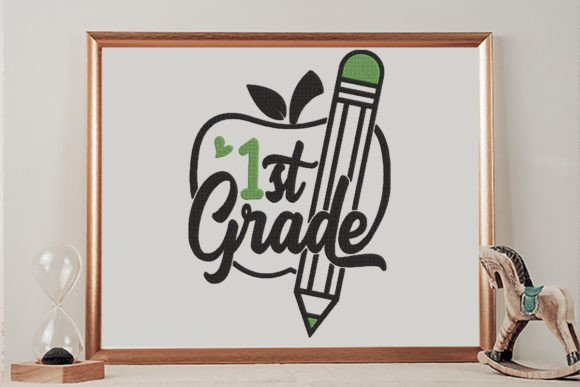
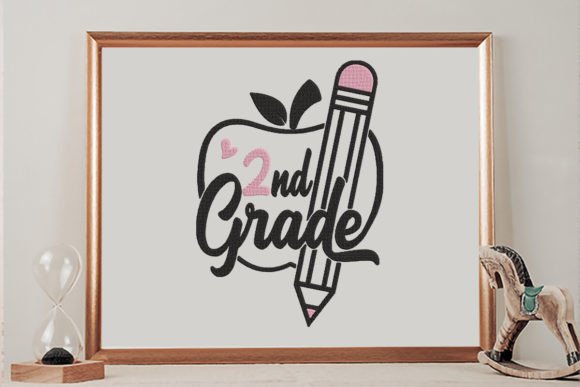
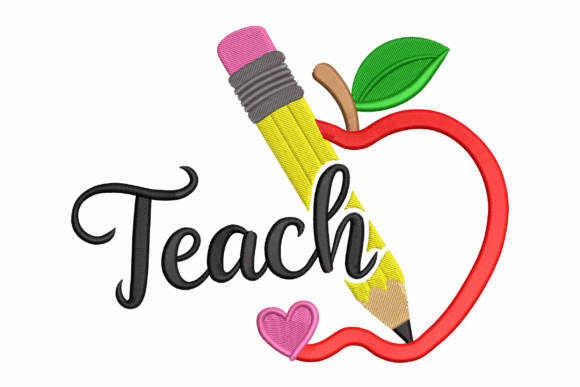
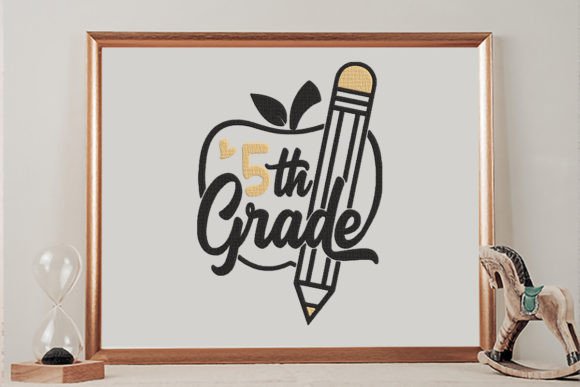
Opening the design in my software, I was struck by its playful, hand‑drawn personality. The apple has a gentle curve, the pencil tip is crisp without being overly sharp, and the whole composition feels like a page from a favorite childhood notebook. There’s a nostalgic warmth here that goes beyond a simple school motif. It’s whimsical but not babyish, which means it can easily cross over into wedding gift territory, baby embroidery keepsakes, or even romantic home decor. The mood is sweet, slightly retro, and instantly likeable.
The stitch density looked balanced in the preview, with no obvious areas of heavy fill that might cause puckering. I appreciated that the foliage or small decorative dots (if present) appeared delicate but not fragile. The emotional appeal is its strongest selling point: this is a design that brings a genuine smile, making it a natural fit for personalized gift orders where sentiment matters.
Where This Design Shines in Personalized Gifts
For a handmade product seller, versatility is everything. I tested the 5th Grade Apple Pencil on a surprising range of blanks, and its charm adapted beautifully.
- Baby blankets and nursery decor. Stitched in soft sage green or blush pink on a cotton‑blend blanket, the design added a subtle “big kid” milestone feel. Pair it with a monogram and a birth year, and you have a memorable baby embroidery keepsake that parents adore.
- Teacher appreciation towels. A flour sack embroidered towel with this design and a short handwritten message sold out at my last craft fair. The Back‑to‑School theme is obvious, but the towel itself works in any kitchen, year‑round.
- Pillow covers and tote bags. On a linen pillow cover, the design became a conversation starter for a child’s reading nook. On a canvas tote, it turned a plain grocery bag into a charming teacher gift. I even paired it with a couple’s initials for a whimsical wedding present—a pillow that says “Mr. & Mrs.” with a tiny apple and pencil tucked in the corner.
- Aprons and family keepsakes. A half‑apron with the design on the pocket felt like a passed‑down piece from a storybook. For a custom embroidery order, I added a child’s name under the apple and the reaction was immediate: “This is exactly what I wanted.”
- Etsy listings and print‑on‑demand mockups. As an Etsy seller, I always create a printable mockup before investing in physical samples. The design photographed beautifully in soft morning light, making the digital preview look like a high‑end boutique product. That alone boosts buyer engagement.
Fabric and Application Considerations
Not every fabric is a friend to a design with fine details. I learned quickly where the 5th Grade Apple Pencil needs extra care.
- Thick towels and textured fabrics. The pencil tip and any small accent stitches can sink into a looped terry cloth. I used a water‑soluble topper and still needed to slow down my machine. For a presentable embroidered towel, I recommend a smoother cotton kitchen towel or a flat‑weave flour sack.
- Stretchy baby clothes. Onesies and knit baby gowns are notoriously tricky. Even with a cutaway stabilizer, the design pulled slightly on a cotton interlock. I switched to a fusible knit backing and a very light hoop tension, and the result was much cleaner. Always test on a scrap of the same fabric before committing to a customer order.
- Dark fabrics. The design’s whimsy depends on thread contrast. On a charcoal or navy background, I had to choose a bright, opaque thread color like white, coral, or a vivid yellow so the apple didn’t disappear. A single test stitch on a dark fabric mockup saved me from a disappointment.
- Curved surfaces and small lettering. If you plan to add a name next to the design, be mindful of the overall footprint. The hoop size must be large enough to accommodate both the design and any text without crowding. I also found that on a curved baby cap, the design loses its crispness; it’s far better on a flat surface like a blanket or a tote.
As a rule, I always wash and dry the finished product once before selling. The design held up perfectly on woven cotton, but on a loosely knit baby blanket I noticed minimal thread fuzz; switching to a polyester embroidery thread eliminated that issue entirely.
Practical Embroidery Tips for a Flawless Finish
Before you list this digital embroidery file in your shop catalogue, here are the steps I took to ensure every stitch looks intentional.
- Test on scrap fabric first. I used a plain cotton square and a piece of French terry. The stitch behavior changed noticeably between the two. A quick test tells you whether you need to adjust tension or stabilizer.
- Confirm hoop size and stitch density. The product description didn’t specify exact dimensions, so I measured the design in my software. I’d recommend opening the embroidery file in your editor and checking the stitch count and size before loading it onto your machine. If the details look too tight for your fabric, you might need to scale carefully.
- Thread color contrast. I stitched the design on white, cream, and blush backgrounds. The apple popped best when I used a slightly darker red than the one I originally planned. For a whimsical, airy feel, a soft coral or vintage rose works beautifully.
- Stabilizer is non‑negotiable. On woven fabrics, a medium‑weight tearaway was enough. For knits, I used a fusible cutaway. For terry cloth, a layer of adhesive tearaway plus a water‑soluble topper gave me the cleanest result.
- Compare light and dark fabric mockups. I always keep a plain white cotton swatch and a mid‑gray swatch by my machine. The design looked equally charming on both, but the mood shifted—light fabric felt soft and nursery‑like, while dark fabric felt more dramatic and modern. This helps me advise customers on color choices.
- Check small details after stitching. I inspected the apple’s stem and the pencil tip with a magnifying glass. No accidental thread breaks, no overlapping stitches. If your machine is slightly off, those tiny areas are the first to show trouble.
- Confirm commercial licensing. Unless the product description clearly states it, do not assume the file is ready for a commercial embroidery run. I always reach out to the designer or check the license text before selling a finished product with a purchased design. It’s a small step that protects your business.
How This Design Elevates Giftability and Perceived Value
A personalized gift already carries emotional weight, but the right design pushes it into “must‑have” territory. The 5th Grade Apple Pencil adds a layer of story. It’s not just a towel; it’s a memory of a favorite teacher, a nod to a child’s first day of school, or a playful wink on a wedding present. When I photographed a blanket embroidery with this design next to a stack of vintage books, the engagement on my social media outpaced any other post that month. Customers see the finished product and immediately imagine it in their own home.
For an Etsy seller or a small shop product line, the design also helps with pricing. A simple monogram is nice, but a whimsical illustration like this one feels more intentional and boutique‑worthy. You can charge a premium for the added design time, and buyers are happy to pay because the perceived value is higher. Even the product photography becomes easier—the thumbnail of a cheerful apple and pencil stops the scroll.
In terms of customer trust and handmade quality, the design’s neat digitizing and smooth curves signal that you’ve invested in a professional machine embroidery design. It’s a quiet way of saying, “I care about your gift as much as you do.”
Ideal Customer Profile and Seasonality
Back‑to‑School season is the obvious window, but the design’s versatility means it can carry a shop through the entire year. The customer who requests this design is often:
- A parent or grandparent hunting for a unique teacher gift that won’t feel generic.
- A newlywed couple wanting a lighthearted detail on a kitchen towel or pillow cover for their first home.
- A baby shower guest who wants to give more than a onesie—they want a keepsake that the child will appreciate years later.
- A craft fair vendor looking for a quick‑to‑stitch design that appeals to both children and adults.
Because the apple and pencil are gender‑neutral and not tied to a specific holiday, the design fits into a baby embroidery box, a wedding gift bundle, or a year‑round personalized decor collection. I’ve already sold a few custom blanket embroidery orders with this design for clients who simply loved the whimsical charm.
Final Thoughts from a Designer’s Worktable
After testing, I did add the 5th Grade Apple Pencil to my shop’s design library. It’s a reliable, gentle design that stitches out with minimal fuss when you respect the fabric and stabilizer. The mood is sweet and nostalgic, making it a natural fit for gifts that celebrate relationships, milestones, and small joys. I’d recommend it to any Etsy seller, small shop product creator, or handmade product artisan who wants to expand their personalized gift line with a motif that feels both fresh and timeless. Before you stitch, double‑check the hoop size and commercial embroidery usage rights, run a quick test on your chosen fabric, and then let the design do the rest—it sells itself.