Schoolhouse Gift Card ITH Applique: A Designer's Review
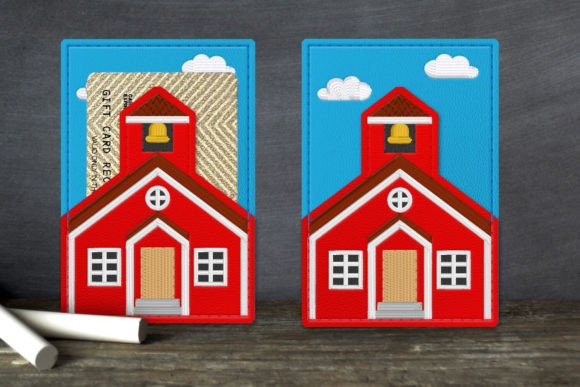
As a professional embroidery designer, I’m always on the lookout for digital embroidery files that can pull double duty—working as a charming standalone project and serving as a smart brand identity asset for small businesses. The Schoolhouse Gift Card ITH Applique immediately caught my eye. At first glance, the old‑fashioned schoolhouse set against a sky with two fluffy clouds reads as warm, nostalgic, and genuinely friendly. It’s not overly rustic or aggressively playful; instead, it strikes a balanced, handcrafted appeal that feels both premium and approachable. For boutique owners, teacher‑focused brands, or any creative studio looking to add a touch of wholesome charm to their merchandise, this design opens up a world of possibilities beyond a simple gift card holder.
First Impressions: Classic Whimsy Meets Commercial Polish
Opening the concept, the visual personality is immediately clear. The schoolhouse silhouette is simple but recognizable, the clouds are soft and inviting, and the overall composition feels like a vintage postcard. This aesthetic works beautifully for Back To School promotions, but it’s also versatile enough for year‑round small business merch. The design doesn’t rely on tiny lettering or overly intricate details, which is a major plus when you’re thinking about scalability across different products. The style is decorative without being delicate, and that’s exactly what you want when you’re planning to stitch this on a cap, tote bag, or apron that will see real use.
Real‑World Business Use: More Than a Gift Card Holder
Yes, the primary function is an in‑the‑hoop gift card holder, and it’s a brilliant one for teacher gifts or client thank‑yous. But as a designer, I immediately start mentally deconstructing the file. Can the schoolhouse and cloud elements be isolated and used as an embroidered patch? In many machine embroidery design files, individual objects can be stitched separately. If this is the case, you’ve just gained a custom apparel accent that works on:
- Apron embroidery for a bakery or café staff
- Cap embroidery on the front or side panel
- Tote bag design as a small, repeated motif
- Chest logo accents on work shirts or boutique uniforms
- Sleeve details for a creative studio’s team
Even if you stitch the full holder, it becomes a handmade product in itself. Imagine a florist slipping a gift card into this embroidered sleeve—it elevates the entire gifting experience and reinforces the shop’s attention to detail. For Etsy sellers and craft business owners, a finished holder can be sold as a standalone product, or the design can be used to create branded packaging accents that make every purchase feel special.
Where Caution Pays Off: Size, Detail, and Surface Tension
Not every design translates flawlessly to every surface. The Schoolhouse Gift Card ITH Applique has a lot of charm, but I’d be very careful with these scenarios:
- Small patch sizes. The schoolhouse roof lines, windows, and cloud edges might lose definition below 2 inches. Test at 80% and 60% scale before committing to a run of tiny patches.
- Cap fronts. The curved surface can distort the horizontal skyline. If you’re using it as a cap embroidery element, position it on the side or back where the arc is less aggressive.
- High stitch density areas. The clouds may have a fill that, when combined with the schoolhouse applique fabric, adds bulk. Go easy on the stabilizer and choose a lightweight cutaway to avoid a stiff finish.
- Dark uniforms. The sky background is likely a light blue or white; on a black work shirt, you’ll need to check thread colors contrast. A dark blue sky might read as a night scene, altering the whole mood.
- Frequent washing. If this goes on a heavily used item, the applique edges need to be secured well. A dense satin stitch border is your friend here.
Always test the fabric texture you’ll be using. A loosely woven linen apron will behave very differently from a sturdy canvas tote. The design’s stitch density must be adjusted if you’re moving away from the standard quilting cotton often used for ITH projects.
Brand Identity: Why This Design Works for Small Businesses
The Schoolhouse Gift Card ITH Applique does something subtle but powerful: it taps into a collective memory of simpler times, community, and care. For a small business, that emotional hook is gold. When a customer sees this design on a staff member’s apron or on a product label, they don’t just see a pretty picture. They associate your brand with trustworthiness, nostalgia, and a personal touch.
This is especially valuable for:
- Independent bookstores or educational supply shops
- Children’s boutiques or toy stores
- Bakery brands that want to highlight family recipes
- Pet brands with a “home‑style” or rustic vibe
- Creative studios that offer workshops (the schoolhouse is a perfect metaphor)
Using the design consistently across your finished product line—whether it’s on a thank‑you card, a tote bag, or a staff shirt—builds visual consistency. Over time, that little schoolhouse becomes a recognizable mark of your brand identity, even without a logo. This kind of subtle branding fosters customer trust and can increase perceived product value, especially when you present it as a thoughtful, handmade detail.
Designer’s Practical Checklist Before Production
I never run a new design asset on a client order without a thorough pre‑flight. Here’s my step‑by‑step for the Schoolhouse Gift Card ITH Applique:
- Test in black and white first. Stitch the design as a single‑color outline to see if the shapes read clearly without the thread color crutch. This reveals any weak spots in the underlying structure.
- Check isolation capability. Open the embroidery file in your software. Can you delete the gift card pocket stitching and keep only the schoolhouse scene? If so, you’ve got a versatile machine embroidery design for patches.
- Verify hoop size. The product description doesn’t specify dimensions, so measure the design in your software. Confirm it fits your most used hoops, especially if you plan to stitch on a multi‑needle machine for commercial runs.
- Thread color audit. The sky, clouds, schoolhouse, and roof each need distinct but harmonious colors. Pull physical thread swatches and place them next to your fabric. Natural light is best—what looks great on screen may clash on a real tote bag.
- Stabilizer match. For a patch, I’d use a medium‑weight cutaway. For a tote bag, a tear‑away with a light fusible backing. For an apron, a no‑show mesh. The fabric texture decides the stabilizer.
- Create a printable mockup. Before you touch a needle, mock up the design on a photo of the actual garment or bag. This helps clients visualize the commercial embroidery impact and often speeds up approval.
- Compare with other design assets. Place the schoolhouse beside your existing brand elements. Is the style consistent? If your brand is ultra‑modern, this classic design might need a thread color tweak to feel at home.
- Confirm commercial licensing. The product description doesn’t detail license terms. Before you stitch this on 200 tote bags for a local business, make sure the digital embroidery file you purchased allows for commercial use on items you’re selling. Some files are for personal use only or have a limited commercial clause. Always check.
- Stitch on real fabric. Run a sample on the exact material you’ll use in production. Wash it, examine the applique edges, and check for any puckering. The schoolhouse roof and clouds should sit flat and look crisp after a wear test.
Final Verdict: A Smart Addition to Your Embroidery Library
From a business perspective, the Schoolhouse Gift Card ITH Applique is a delightful embroidery design that goes beyond its intended purpose. It’s a design that feels both nostalgic and fresh, and it gives small business owners a way to add a personal, handmade signature to a wide range of products. Whether you’re stitching a run of tote bag designs for a local teacher appreciation event, or creating a signature apron embroidery look for your bakery, this design holds its own. Just remember to test, scale wisely, and always secure the right licensing. When you treat it as a flexible design asset rather than a one‑project file, you’ll find endless ways to strengthen your brand and delight your customers with a truly handmade product.