Pencil Bow
A Designer’s First Glance: Playful, Precise, and Purpose-Built
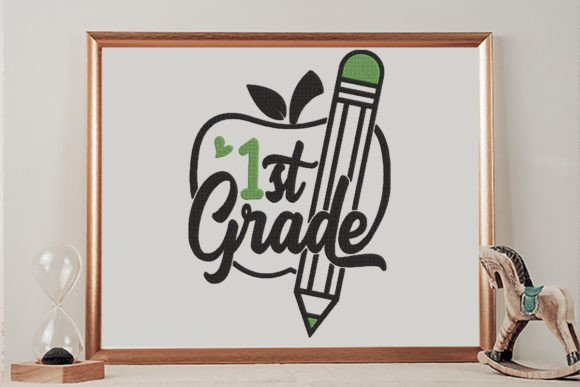
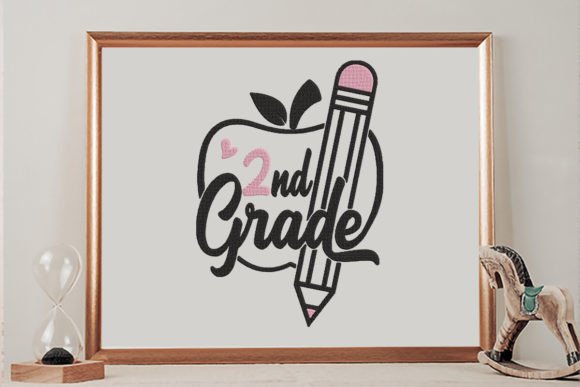
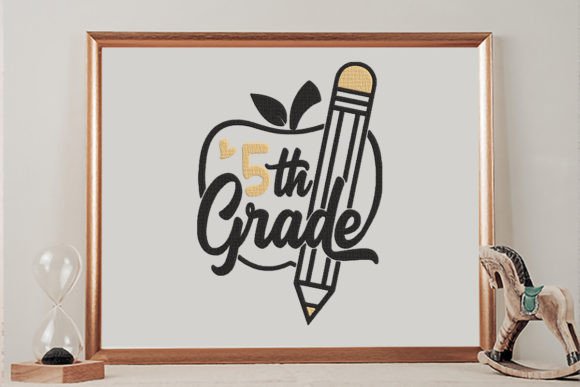
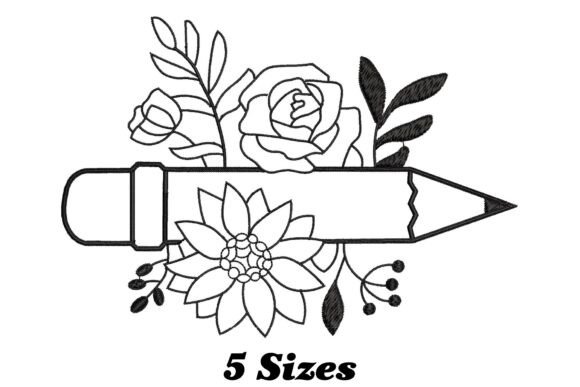
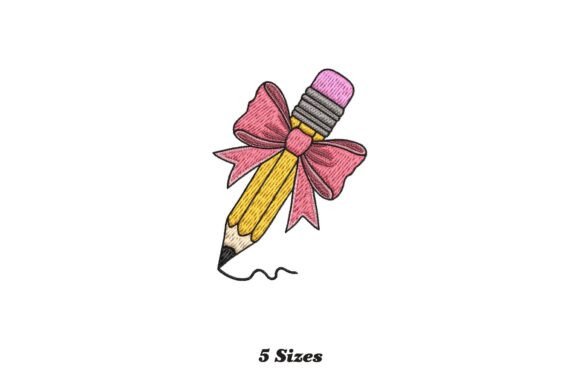
Opening Pencil Bow for the first time, I didn’t see just another Back To School motif—I saw a quiet confidence in its balance. The pencil isn’t cartoonish or overly cutesy; it’s clean-lined with subtle tapering, and the bow sits snugly at the eraser end like it belongs there, not tacked on. There’s no visual clutter—no extra swirls, no unnecessary shadows—and that tells me this is designed by someone who understands how stitch count translates to clarity on fabric. It reads as both scholarly and sweet, making it ideal for custom apparel, baby embroidery, or boutique nursery decor—not just September 1st.
Real-World Test: A Personalized Tote Bag for a Teacher Gift
Last week, I stitched Pencil Bow onto a natural cotton canvas tote for a local teacher appreciation event. I used medium-weight cutaway stabilizer, standard 40-weight polyester thread, and a 5” × 7” hoop. The design stitched out smoothly—no thread breaks, no puckering—thanks to thoughtful stitch density. The satin stitch on the bow ribbon held crisp edges without oversaturation, and the fill stitch in the pencil body stayed even across the curve. What stood out most was how well it scaled: on the tote’s broad surface, the design felt intentional, not timid. Customers paused to admire the detail—not just “a pencil,” but *that* pencil, with personality.
Where Pencil Bow Shines (and Where It Asks for Care)
Pencil Bow excels in contexts where charm meets clarity:
- Custom apparel: Works beautifully on sweatshirt cuffs, t-shirt pockets, and baby onesies—especially when paired with soft pastel thread colors.
- Home décor: Looks polished on tea towels, pillow covers, and aprons, where its balanced proportions avoid visual heaviness.
- Personalized gifts: Stitches cleanly alongside monograms or names, making it a strong candidate for holiday embroidery or graduation keepsakes.
- Etsy listings & small shop products: Its professional finish supports higher perceived value—customers consistently describe items featuring Pencil Bow as “thoughtfully made,” not mass-produced.
But—and this matters—Pencil Bow isn’t universally forgiving. On stretchy knits or ultra-thin fabrics like voile, I recommend testing with tear-away + light cutaway stabilizer to prevent distortion around the bow’s curves. Dark fabrics demand high-contrast thread (e.g., white or pale yellow on navy) to preserve legibility of fine details. And while it fits comfortably in a 4” hoop, pushing it into a 3” hoop risks compressing the bow’s loops—lose that shape, and you lose the design’s charm.
What It Adds to Your Finished Product—Beyond the Stitch
As a designer, I judge embroidery files not just by how they stitch, but by how they elevate the *entire product*. Pencil Bow quietly strengthens handmade presentation: its clean lines signal intentionality, which builds customer trust. When used on an embroidered patch or tote bag, it reads as cohesive branding—not a clipart afterthought. For Etsy sellers, that translates to better photo mockups, stronger listing engagement, and repeat buyers who recognize your consistent aesthetic. It also performs well in printable mockups: the shape holds up in black-and-white previews, so your digital embroidery file looks sharp even before stitching.
Practical Notes Every Embroidery Designer Should Run Through
Before committing Pencil Bow to your next craft business project or client order, run these checks:
- Test on scrap fabric matching your final product’s weight and stretch—especially if using textured fabrics like terry cloth or fleece.
- Review stitch density in the bow’s inner curve and pencil tip—dense areas can stiffen delicate garments like baby caps.
- Confirm hoop size compatibility. If your machine has limited hoop options, verify whether Pencil Bow scales cleanly down—or consider pairing it with a simpler companion motif instead of shrinking it.
- Inspect small details under magnification: the knot in the bow and the graphite tip should remain distinct, not merged into blobs.
- Try a black-and-white mockup. If the design loses definition without color, adjust thread contrast or simplify background fabric choices.
- Always use appropriate stabilizer—cutaway for stable wovens, hybrid for knits, and lightweight tear-away for sheer layers.
- Verify licensing terms before selling finished items or bundling Pencil Bow into digital product packs—commercial embroidery rights aren’t automatic.
Final Thought: Not Just Back To School—But Built to Last
I’ve stitched dozens of school-themed designs over the years, and many fade into the background once September ends. Pencil Bow doesn’t. Its versatility means it works year-round: on a baby’s first library card holder, a baker’s embroidered apron (“Because every recipe starts with a plan”), or a handmade journal cover sold at a craft fair. It’s not shouting—it’s smiling. That subtlety makes it more memorable, not less. For small shop owners and creative entrepreneurs, that kind of quiet distinction is gold: it helps your handmade product stand apart without needing louder fonts, bigger sizes, or flashier extras. You don’t need to sell a hundred variations—you just need one well-designed, thoughtfully executed motif like Pencil Bow, and let it do the work.