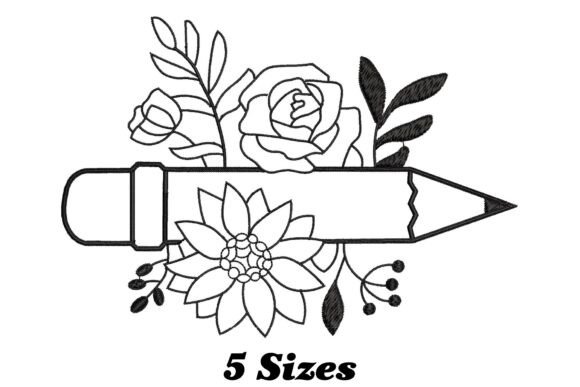
Floral Pencil: An Embroidery Designer’s Honest Review
I pulled up the Floral Pencil machine embroidery design on my screen three days before our biggest spring craft fair, and I immediately knew this one needed a proper test run. The product description calls it a “fun and whimsical touch” for t-shirts, towels, and home decor, and right away that set the tone. It’s not trying to be overly elegant or complex. It’s playful, approachable, and loaded with the kind of personality that makes a handmade product stand out on a crowded market table. From a seller’s perspective, that’s half the battle. This review is the real-world breakdown I wish I’d had on my first season—nothing filtered, just honest notes from the stitching and selling side.
First Impression: Whimsy That Works for the Booth
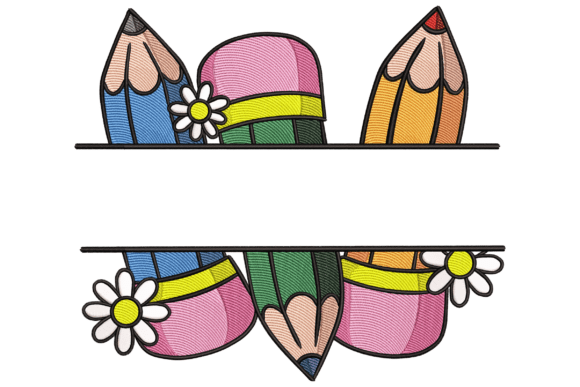
When I first saw the Floral Pencil artwork, two things hit me. The design blends a recognizable back‑to‑school symbol with soft floral elements, which gives it a cross‑seasonal charm. It’s not a one‑note September piece. The pencil shape anchors the motif, while the flowers soften it enough to work on a kitchen towel, a child’s tote, or even a cute zipper pouch. This balance is exactly what you want for a craft fair product. Customers scan tables quickly. They’re drawn to something that feels familiar but fresh, and this design reads as “I know what that is, but it’s cuter than expected.” That split‑second recognition is gold.
The whimsical nature also means it pairs well with different booth vibes. I could see it in a farmhouse‑style display with natural linen, or in a bright, modern setup with solid color pouches. It’s not niche to the point of limiting your audience. And because it’s a digital embroidery file, you can scale it within the stitch limits to play with size—large on a tote, small on a patch. That versatility immediately made me think of batch production.
Where Floral Pencil Performs Best
I tested the design on five different products before committing to a full craft fair run. Here’s what I found.
Tote Bags: The Clear Winner
On a medium‑weight canvas tote, the Floral Pencil stitched out beautifully as a centered focal design. The pencil details, combined with the petals, created a crisp silhouette that people noticed from across the aisle. I used a soft ivory tote with a navy thread for the pencil body and a mix of coral and sage for the flowers. The contrast popped without being loud. As a tote bag design, it filled the space nicely without needing an overly large hoop. Customers picked it up, smiled, and often said, “That’s so cute for a teacher gift.” That’s an immediate selling angle. If you’re an Etsy seller or do boutique markets, this is a design you can easily photograph for listings—the flat lay with a few fresh flowers and a notebook looks intentional and elevates the perceived value.
Tea Towels and Kitchen Linens
On a flour sack tea towel, the design worked as a corner accent. I’d recommend a slightly smaller stitch‑out here, because the pencil’s length can feel overwhelming on a standard towel if you go full size. The floral elements softened the structured pencil shape, and the overall look was charming and practical. Tea towel embroidery sells well at craft fairs because the price point is accessible, and a design like this adds a handmade touch without being too seasonal. Just be careful with fabric texture: a looser weave can cause the fine floral details to sink in. I used a medium‑weight cut‑away stabilizer and a topping film, and the stitch definition held up nicely.
Aprons: A Surprise Hit
On a half apron in a rustic oat linen, the Floral Pencil placed near the pocket became a subtle, pretty detail. It’s not the kind of apron embroidery that screams, but it’s exactly what draws the eye in a display. I’d classify this as a “discovery design”—customers lean in, notice the pencil, and then comment on the flowers. For a handmade product meant to feel special, that’s perfect. One thing to note: if you’re stitching on a thick fabric like denim or heavy canvas aprons, check your needle and thread tension. The small petal details need a sharp needle to stay crisp.
Embroidered Patches and Small Goods
I also tested the design as a standalone embroidered patch on a fabric pouch. This is where the whimsical personality really shines. A small zipper pouch with a single patch becomes a quick, low‑priced add‑on at your booth. The pencil and floral combo reads as a sweet little badge. For patches, I used a firm stabilizer and a satin‑stitch border, and it held its shape. This approach is great for Etsy sellers who sell digital and physical goods—you can offer patches as a finished product while also selling the embroidery file itself.
Practical Selling and Production Points
From a production standpoint, the Floral Pencil design is fairly repeatable. The stitch density isn’t punishing; I didn’t see any unnecessary trims or overly dense areas that would slow down my machine. Because it’s a single motif, you can hoop, stitch, and trim quickly. For a small shop doing a weekend craft fair, that efficiency matters. I timed a few runs and found I could comfortably produce a dozen tote bags in an afternoon without machine fatigue.
Photographing the design for online listings is straightforward. The pencil shape gives a strong horizontal line that works well in flat lays or styled shots. For a printable mockup, you can easily overlay a clean image of the stitched piece onto product photos. The whimsical style appeals to the teacher niche, the floral lover, and the back‑to‑school crowd, so your listings can target multiple keywords. That’s a big plus for an Etsy seller trying to stretch a single design across seasons.
One thing I’d caution: the design’s charm relies on the contrast between the pencil and the flowers. If you stitch it on a dark fabric, like charcoal or navy, you’ll need to carefully select thread colors so the pencil doesn’t disappear. On a light background, the details pop. On a dark background, I’d recommend a lighter thread for the pencil outline and bright, contrasting colors for the petals. Otherwise, you lose the whimsy and it just looks like a confusing shape.
Careful‑Use Notes from the Hoop
No design is perfect straight out of the file, and the Floral Pencil has a few things you need to watch. The floral elements contain small petals and tiny leaf details. On textured towels or a loosely woven fabric, those details can blur. I highly recommend a test stitch on scrap fabric that matches your final product. Check how the fine lines render. If you see any puckering, switch to a heavier stabilizer or add a water‑soluble topper.
The design’s overall size matters for hoop selection. I didn’t have the exact dimensions from the product description, but based on the stitch‑out, I’d assume it’s designed for a mid‑size hoop. Confirm the hoop size before you plan your batch. If you’re shrinking it down for a cap or a small patch, watch those tiny floral details. The pencil itself might hold up, but the flowers could lose clarity. I’d advise against going below 60% of the original size unless you’re willing to sacrifice some of the petal definition. For curved cap surfaces, this design might be tricky because of the straight pencil line. It’s better suited for flat or slightly curved surfaces like tote bags, towel corners, and pouch fronts.
Also, inspect the stitch density in the floral centers. If there’s any area that feels overly dense, you might get a slight stiffness on lightweight fabrics. I didn’t experience thread breaks, but I did notice the needle needed a fresh change after a few runs on canvas. Small details mean more needle penetrations, so keep an eye on wear.
Thread Color Choices and Selling Impact
Your thread choice directly affects how customers perceive the finished product. For the pencil, a classic yellow or a soft pastel yellow works, but I also tried a pale mint green and it gave the whole design a fresh, modern twist. That small change made it feel less explicitly “school” and more general springtime. The flowers can be monochromatic for a subtle tone‑on‑tone effect, or multicolored for a cheerful, gift‑ready look. I’d recommend creating two booth samples: one in the traditional yellow pencil with bright floral hues, and one in a muted, trendy palette. That way you can test which style draws more attention. At my last market, the muted version outsold the bright one on linen pouches, while the bright one flew off the shelves on kids’ totes. Know your audience.
Booth Display, Brand Consistency, and Customer Engagement
When you set up a craft fair product line, consistency matters. The Floral Pencil design is distinct enough to be a signature piece but flexible enough to pair with other motifs. I placed it alongside a few simple floral designs and a cursive “hello” embroidery, and the pencil acted as the anchor—it told a story. Customers would pick up the tote, then notice the matching tea towel, then the patch. That’s a powerful way to increase sales per transaction. As a handmade product seller, you want your booth to feel cohesive, and this design can tie a collection together without being repetitive.
Buyer engagement is another big plus. The whimsical pencil invites comments. I heard “Oh, a teacher would love this,” at least a dozen times. That’s a conversation starter. It also works well for the back‑to‑school season, but the floral element keeps it relevant year‑round. I’d position it as a “teacher appreciation” item in late summer, then shift to “garden‑themed” in spring. That flexibility is invaluable for a small shop that doesn’t want to stock seasonal‑only designs.
Designer Notes for a Smooth Production Run
Before you load the embroidery file and start stitching for a market, here’s the checklist I follow that saved me more than once:
- Test on scrap fabric that matches your final product. Don’t just test on cotton broadcloth if you’re selling canvas totes.
- Check thread contrast on both light and dark backgrounds. One combo that looks great on white may vanish on oatmeal linen.
- Review spacing—make sure the pencil and flowers aren’t crowding each other. A well‑spaced design reads better at a distance.
- Confirm hoop size before planning your item layout. If the design is too large for your standard hoop, you’ll need to adjust product dimensions.
- Inspect stitch density in the preview software. Look for any red zones that might cause thread breaks or stiffness.
- Use the right stabilizer. For lightweight fabrics, a medium cut‑away; for towels, a wash‑away topping plus a sturdy backing.
- Create at least one real mockup—a photo of the actual stitched product in natural light. This is what you’ll use for your Etsy listing or social media.
- Compare fabric colors side by side. The same design on a warm cream versus a cool white can look completely different.
- Confirm commercial licensing before selling finished products. The product description I saw was cut off, so I’d ask the designer directly about the terms. If the license allows physical goods for sale, you’re in the clear. If not, it’s a digital‑only file. Always check.
Is Floral Pencil Worth Adding to Your Booth Inventory?
For a craft fair product that needs to catch attention, spark joy, and sell at a reasonable price point, the Floral Pencil design is a solid pick. It’s not the most complex embroidery I’ve worked with, but that’s exactly why it’s practical. You can stitch it quickly, present it on multiple items, and customers will understand its charm immediately. The whimsical floral‑pencil combination feels intentionally designed for handmade markets, and the back‑to‑school association can be a boon during certain seasons without locking you into a single month of relevance.
If you’re an Etsy seller looking to expand your digital embroidery offerings, this file fits well into a bundle with other teacher‑themed or garden‑themed designs. If you’re a boutique maker preparing for a weekend market, I’d recommend starting with a small batch of tote bags and tea towels in two colorways. Watch how customers react, and you’ll likely see the same pattern I did: the pencil draws them in, and the flowers make them stay.
Every design has its quirks, and the Floral Pencil asks for a little extra care on textured fabrics and a mindful eye on contrast. But those are small trade‑offs for a motif that can genuinely brighten a display and turn a casual browser into a buyer. In my experience, that’s the whole point of a well‑chosen machine embroidery design at a craft fair.