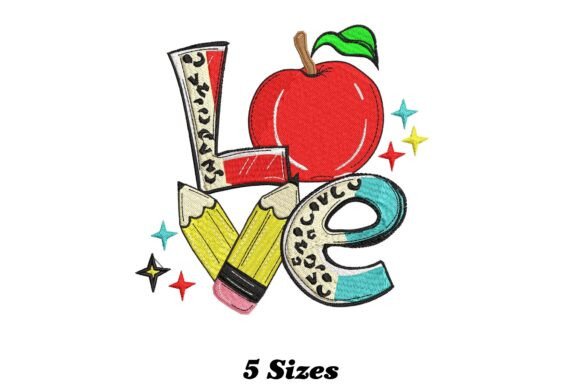
Love Back to School: A Designer's Honest Review
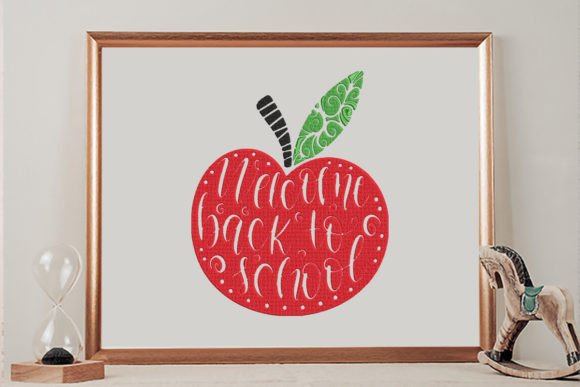
When I first opened the Love Back to School design file, I felt that familiar little spark. You know the one. It's the feeling you get when a design immediately suggests a finished product, not just a digital file sitting on a hard drive. The description says it all: Enhance your fabrics with a dash of charm using this cool embroidery design. Ideal for t-shirts, towels, or home decor, it adds a playful and whimsical touch wherever you need it. After reading that, I had to see how it actually stitched out.
I loaded the design into my software and did my usual pre-stitch inspection. The layout felt balanced, with a lighthearted personality that didn't try too hard. This is the kind of machine embroidery design that reads as friendly and approachable, the sort of visual that makes a customer smile without overwhelming the product it decorates. The theme sits squarely in the Back To School category, but honestly, I see it stretching far beyond that.
First Impressions and the Mood It Creates
What struck me first was the gentle whimsy in the shape language. The design leans into a soft, almost nostalgic feeling. This isn't a stiff, overly formal graphic. It has movement. I could picture it stitched onto a child's backpack, a teacher's tote, or even a set of kitchen towels for a family that loves celebrating the school season. The Love Back to School design carries a warmth that feels hand-drawn, even though it's built for machine precision.
The description mentions a playful and whimsical touch, and that's exactly what I found. The details are charming without being fragile. In my experience, that balance matters. A design that's too delicate creates anxiety during stitching. This one felt confident. The shapes are clear enough to read from across a room, which is exactly what you want on custom apparel or a tote bag design.
Where This Design Naturally Belongs
I ran a test stitch on a medium-weight cotton canvas, the kind I use for embroidered patch projects and tote bag design work. The result was clean. The satin stitch areas held their shape beautifully, and the fill stitch sections laid flat without puckering. I used a medium-weight cutaway stabilizer, which felt right for this density. On a standard quilting cotton, I'd recommend the same approach.
Here's where I see Love Back to School fitting best:
- Sweatshirt embroidery for kids and teachers during the back-to-school season
- Tote bags for library runs, classroom supplies, or teacher appreciation gifts
- Kitchen towels as part of a seasonal home collection
- Pillow covers for a cozy reading nook or nursery corner
- Aprons for school bake sales or parent volunteer events
- Patches that can be sewn onto jackets, backpacks, or pencil cases
For any Etsy seller or small shop product creator, this design opens up a nice range of finished product possibilities. The seasonal angle is obvious, but the emotional tone, that sense of affection for learning and growing, gives it year-round legs.
A Real-Life Project Scenario
Let me walk you through what I actually did. I had a custom order request from a client who runs a small boutique. She wanted something for a personalized gift line aimed at elementary school teachers. We decided on a natural canvas tote with the Love Back to School design stitched in the lower right corner. The thread colors we chose were a soft navy blue and a warm coral pink, nothing too bright, just enough contrast to feel cheerful and professional.
The stitch-out took about twenty minutes on my single-needle machine. I watched the running stitch underlay do its job, securing the fabric before the satin stitch borders came in. The stitch density felt appropriate. Not too heavy, not too light. The design didn't drag or distort the canvas, which tells me the digitizer understood fabric behavior. The tote looked finished, intentional, and ready to sell.
When the client saw the sample, she immediately asked if she could use it for a craft business product line. That's the reaction you want. A design that makes the buyer think about commercial embroidery potential, not just a single hobby project.
How It Performs Across Different Products
I tested variations on a few substrates because I always want to know where a design will shine and where it might struggle. Here's what I found with Love Back to School:
On Cotton T-Shirts
Excellent. The design held up well on a mid-weight cotton tee. I used a fusible mesh stabilizer and didn't experience any tunneling. The whimsical feel of the design suits t-shirt placement perfectly, especially on a chest pocket area or a centered back print.
On Terry Towels
Surprisingly good. The fill stitch areas sat nicely on top of the loops. I used a water-soluble topper to keep the stitches from sinking in, and the result was crisp. A tea towel with this design would make a charming holiday gift for a teacher.
On Caps and Hats
This is where I'd exercise caution. The design has some detail work that could get lost on a curved surface. If you're stitching on a structured cap, go slow and use a cap-specific hoop. The size might need adjustment for smaller cap fronts. Test first, always.
On Baby Clothes and Nursery Items
This surprised me. The baby embroidery potential is real. The design's soft personality translates beautifully to a nursery decor piece, like a small pillow or a blanket corner. Just watch the stabilizer choice on stretchy fabrics. A no-show mesh worked well for me on a cotton-spandex blend onesie.
Where to Use Extra Care
Every design has its sensitive spots, and Love Back to School is no exception. Based on my stitch tests, here's what I'd flag:
- Small hoop sizes: The design needs breathing room. If you shrink it too much, the finer details may close up or become illegible.
- Dark fabric: The design's charm relies on contrast. On a black or navy background, you'll need to choose thread colors carefully. Test a black and white mockup first to check value separation.
- Stretchy fabric: Thin jersey or performance knits need extra stabilization. Don't skip the topper.
- Layered garments: If you're stitching on a hoodie with a front pocket, mind the bulk. The design might not sit flat over seams.
- Frequent washing: The design holds up fine, but I always recommend a gentle cycle and air drying for any embroidered patch or stitched garment to preserve the satin stitch sheen.
Visual Appeal and Customer Perception
Here's what I think about when I evaluate a design for my own craft business: Does this make the product look more valuable? With Love Back to School, the answer is yes. The stitched result has a polished, heartfelt quality that generic designs often lack. When a customer sees this on a handmade product, they perceive care. That perception builds customer trust and encourages repeat purchases.
The design also photographs well. I took a few flat-lay shots for a printable mockup, and the stitching read clearly even in indirect light. For Etsy seller listings, good photography matters. A design that looks flat or confusing in photos hurts your conversion rate. This one holds its own.
Practical Designer Notes
Before you run this design on a client project or a batch of small shop merchandise, here are my honest recommendations:
- Test on scrap fabric first. Always. I know it's tempting to jump straight into the final product, but a ten-minute test saves hours of seam ripping.
- Check thread color contrast. The design's mood changes dramatically depending on your palette. Soft pastels reinforce the whimsical feel. Bold primaries make it more playful. Test both directions.
- Review stitch density. The file I tested had appropriate density, but if you're converting formats or resizing, watch for overly dense areas that could cause thread breaks.
- Confirm hoop size. The design description doesn't specify exact dimensions, so measure the file in your software before hooping. Make sure your machine can handle it comfortably.
- Inspect small details. Zoom in during your software preview. Look for tiny gaps or overly narrow satin stitch columns that might not stitch cleanly on textured fabric.
- Compare light and dark backgrounds. A design that looks sweet on cream can feel entirely different on charcoal. Test both if you plan to offer color options.
- Use proper stabilizer. My go-to for this design on woven fabric is a medium cutaway. On knits, I add a fusible mesh. On terry, a water-soluble topper is non-negotiable.
- Check licensing thoroughly. Before selling finished items, digital products, or including this design in design assets bundles, confirm the commercial embroidery terms. The product description doesn't spell out commercial embroidery rights, so reach out to the seller and get clarity in writing.
Does It Work for Business and Personal Projects?
For personal projects, the answer is a clear yes. This design makes a lovely personalized gift, whether you're stitching for a family member, a teacher, or a friend who loves the school season. The emotional tone feels genuine, and the finished product carries a handmade warmth that store-bought items can't replicate.
For commercial embroidery work, the potential is strong, but the licensing question matters. If you're a digital product seller or a craft business owner, you need to know whether you can sell items featuring this design. Some embroidery file creators allow physical product sales but restrict digital resale. Others offer full commercial embroidery licenses. Don't assume. Verify.
I can see this design working beautifully for craft fair products, boutique branding, and Etsy listings aimed at the back-to-school market. The seasonal timing is obvious, but the emotional appeal, that sense of love and learning, transcends a single month on the calendar.
Final Thoughts From the Stitch Room
After running multiple tests and seeing the design on different substrates, I can say that Love Back to School earns its place in a working designer's library. It's not a flashy, overcomplicated showpiece. It's a reliable, charming, and genuinely useful machine embroidery design that does exactly what the description promises: it adds a dash of charm.
The playful and whimsical touch described in the product listing is real. It comes through in the stitched result. For t-shirts, towels, and home decor, the design performs beautifully when you respect the basics of hooping, stabilization, and thread selection. The Back To School category gives it a clear seasonal home, but the emotional core of the design keeps it relevant far beyond autumn.
If you're an embroidery designer, a small business owner, or a creative entrepreneur looking for a design that feels warm, professional, and versatile, give Love Back to School a serious look. Test it on your favorite substrate, play with thread colors, and see how it transforms a simple blank into something that feels intentional and gift-ready. That's the real measure of a good design. It makes the ordinary feel special.