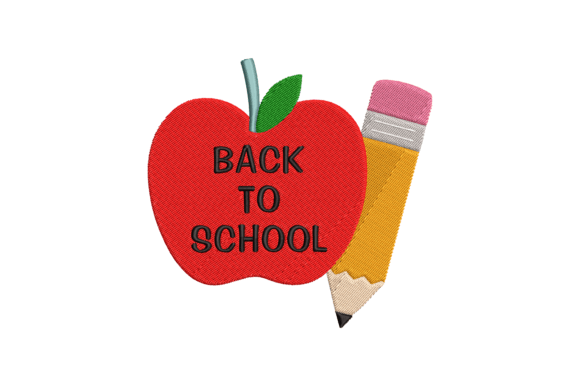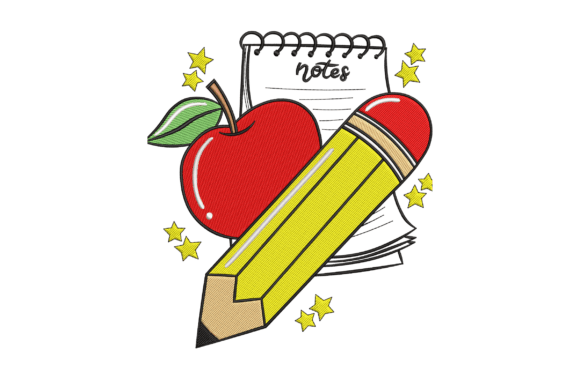
Apple Pencil Notes
A Craft Fair Designer’s First Look: Modern, Minimal, and Market-Ready
As an embroidery designer who’s packed 47 craft fair booths (and spilled more stabilizer than I care to admit), my first question about any new machine embroidery design isn’t “Is it pretty?”—it’s “Will someone stop, pick it up, and say ‘I need this’ before they’ve even read the price tag?” Apple Pencil Notes delivers that moment. It reads instantly as modern, clean, and quietly clever—not cutesy, not cluttered, not trying too hard. That’s gold for Back To School season, especially when your booth is full of handmade product competitors shouting with glitter, florals, or oversized lettering. This design breathes. It invites a second glance, not a shout.
Where Apple Pencil Notes Shines in Real Booth Displays
In my weekend setup—tote bags slung over rustic wood stands, aprons draped on vintage ladder shelves, tea towels folded beside embroidered pouches—Apple Pencil Notes works hardest on three items: minimalist tote bags, structured fabric pouches, and small-batch tea towel sets. On a natural canvas tote, it lands like a signature—confident but unassuming. On a zippered pouch (think 5" x 7" cotton-linen blend), it becomes a tactile conversation starter: soft thread, crisp lines, just enough detail to feel intentional. And on a folded tea towel? It’s the perfect focal point above the fold—visible from three feet away, legible without squinting, and stylish enough to photograph well for Etsy listings.
It also performs beautifully as an embroidered patch—ideal for pinning onto denim jackets or stitching onto backpacks at the fair. As an apron embroidery? Best placed on the chest pocket or lower left corner—not centered, where it might compete with functional pockets, but positioned to catch light and movement. Avoid placing Apple Pencil Notes on curved cap surfaces unless you’re using a low-profile cap and high-quality tear-away stabilizer; the fine line work can distort if hooping isn’t precise.
What Buyers Actually Notice (and Why It Sells)
Craft fair shoppers scan fast. They’re drawn to contrast, clarity, and cohesion. Apple Pencil Notes delivers all three—if you get the basics right. It photographs exceptionally well for digital embroidery file listings: clean edges, balanced negative space, and strong thread color potential. That means your printable mockup looks professional, your Etsy seller thumbnail pops, and your Instagram booth story feels cohesive—not chaotic. More importantly, it elevates perceived value. A plain linen pillow cover with Apple Pencil Notes stitched cleanly in charcoal grey thread reads “curated,” not “DIY.” That subtle shift helps justify higher pricing for your small shop product.
It also supports brand consistency. If your shop leans modern-minimalist—think neutral palettes, natural fibers, quiet typography—Apple Pencil Notes fits like a custom sleeve. It doesn’t fight your aesthetic; it reinforces it. For boutique makers building seasonal collections, this design bridges Back To School and early fall: academic but not rigid, creative but not childish.
Production Reality Check: Stitch Density, Fabric, and Fit
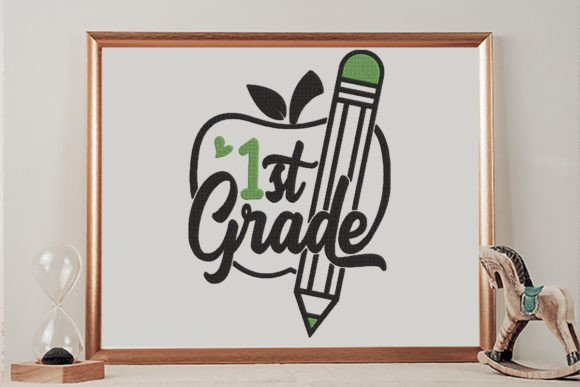
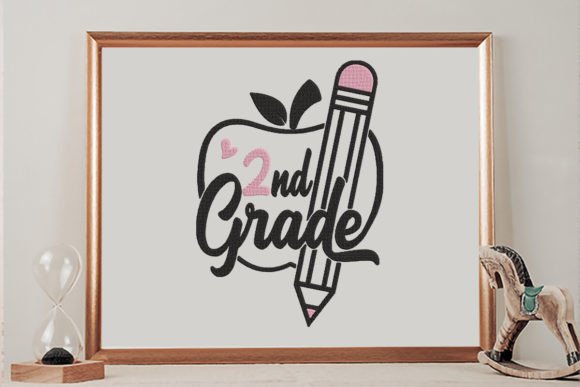
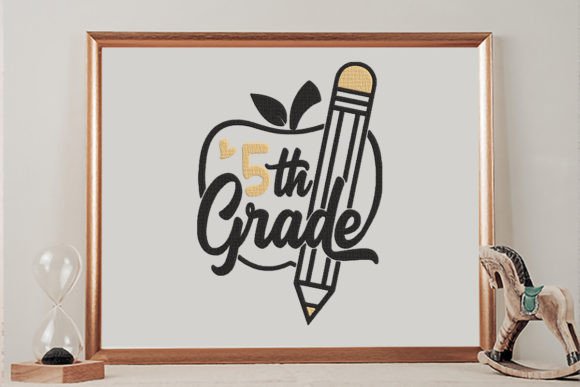
Don’t skip test runs. Apple Pencil Notes is a modern embroidery design—but “modern” often means tighter stitch density and finer details. Before cutting into your best tea towel fabric, run a test on scrap: check how the pencil tip renders on textured terry cloth, whether thin lines hold up on dark fabric (hint: use bright white or metallic thread for contrast), and how the letters read at 3.5 inches wide versus 5 inches. Tiny details—like the subtle graphite shading or the minimal eraser highlight—can blur or vanish below 3 inches, especially on thick or napped fabrics.
Hoop size matters. Confirm the embroidery file fits comfortably within your standard hoop (many designers default to 4x4 or 5x7)—if it pushes limits, repositioning mid-hooping slows batch production. And stabilizer choice is non-negotiable: lightweight cut-away for stable woven fabrics, soft tear-away for delicate linens, and ultra-sticky + topping for textured towels. Skimp here, and you’ll lose definition in the fine strokes—turning a crisp Apple Pencil Notes into a smudged sketch.
Smart Moves Before You Launch
- Test on scrap fabric—not just one, but three: your most common tote base, your best-selling tea towel, and your go-to pouch material.
- Check thread contrast on both light and dark fabric swatches. What reads clearly on ivory may disappear on navy.
- Review spacing and kerning—especially if resizing. Tight lettering can merge; generous spacing keeps it airy and legible.
- Confirm hoop size compatibility before prepping 50 tote bags. Nothing kills booth prep momentum like last-minute digitizing tweaks.
- Inspect stitch density in the pencil barrel and eraser area—dense fills may pucker lightweight fabrics.
- Use the right stabilizer for each substrate. No exceptions.
- Create at least one real mockup—not just a digital preview. Hold it. Drape it. See how light hits the stitches.
- Compare fabric colors in natural light, not just under your sewing lamp. That “soft sage” thread may read olive indoors and khaki outside.
- Verify commercial licensing before selling finished product. This is a digital embroidery file—ensure your license covers resale of physical embroidered goods.
Final Thought: Less Is Truly More
Apple Pencil Notes isn’t flashy—and that’s its superpower. In a sea of busy craft fair products, it offers calm clarity. It sells because it feels intentional, not incidental. It scales beautifully from a $12 embroidered patch to a $48 handmade market bag. It photographs well for Etsy sellers, prints cleanly for printable mockups, and stitches reliably across multiple fabric textures—if you honor its design logic. For embroidery business owners building a repeatable, recognizable line, Apple Pencil Notes is a quiet anchor: versatile, visual, and unmistakably yours.