Split Colored Pencils: An Embroidery Seller’s Review
First Impressions of the Split Colored Pencils Design
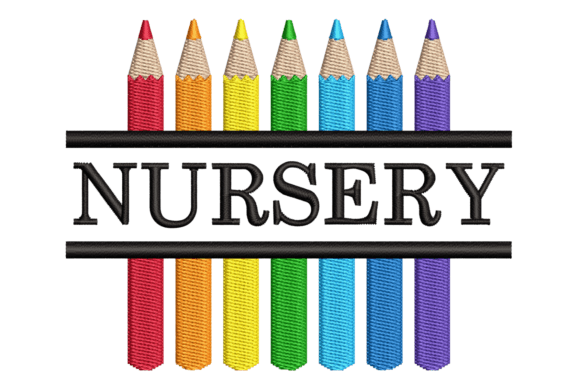
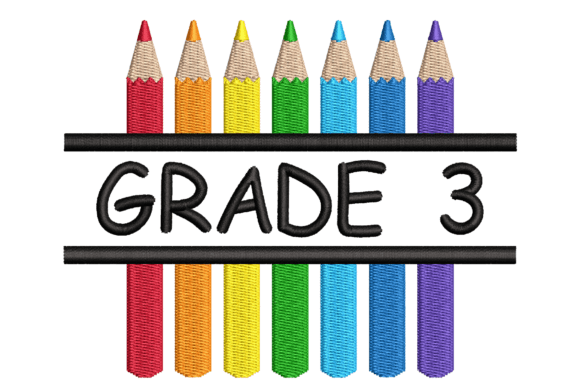
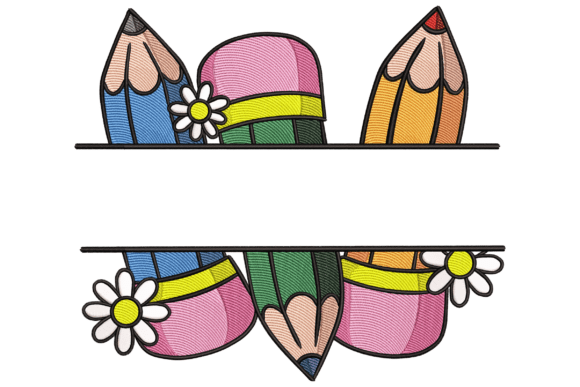
When I first saw Split Colored Pencils on Creative Fabrica, I immediately thought of school supply lists, crisp autumn mornings, and the crunch of a freshly sharpened pencil. The description says it best: “Get ready for school with this cute split coloring pencils design, or just express your artistic side.” That’s a clever positioning because it doesn’t box the design into a single season. It’s hand-drawn by an embroidery artist, and that handmade quality is exactly what boutique buyers look for. The split pencils have a playful, almost whimsical personality—they’re not stiff or overly polished. There’s a warmth to the uneven lines that makes it feel like a sketchbook drawing come to life. I’d describe the visual style as playful, modern, and slightly nostalgic. It’s cute without being babyish, and that’s a huge plus when you’re trying to reach a broad audience on Etsy.
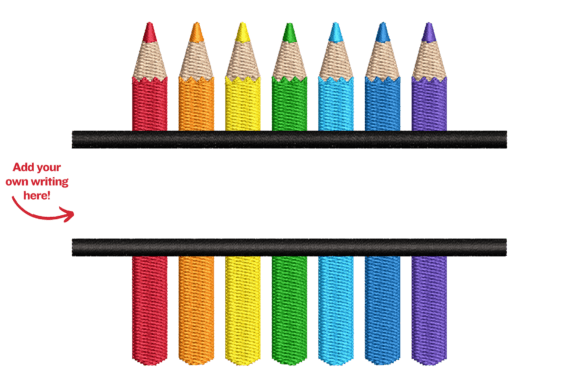
The split detail is the star here. Visually, it suggests two halves of a pencil, maybe one colored and one plain, or two different colors peeling apart. That creates a natural focal point that the eye wants to follow. In a thumbnail on Etsy, this design will stand out because of the unusual shape. It’s not just a row of pencils—it’s a tiny story. That’s what makes a product memorable. When I evaluate a machine embroidery design for my shop, I ask: will someone stop scrolling? For Split Colored Pencils, I believe the answer is yes.
What Products Will This Design Shine On?
Right away, my mind starts building a product collection. Because the motif is compact and has both vertical and horizontal possibilities, it’s incredibly versatile. Here are the top items I’d test with this design:
- Canvas tote bags – A natural fit for back-to-school or teacher appreciation gifts. The pencil theme works perfectly on a library tote or a book bag.
- Unisex sweatshirts – Imagine a muted cream sweatshirt with Split Colored Pencils stitched small on the left chest. It’s subtle, artsy, and appeals to both students and creatives.
- Baby blankets – Yes, you read that right. A tiny pencil embroidery in the corner of a soft pastel blanket can be an adorable “future artist” gift. The hand-drawn charm softens the design for nursery use.
- Kitchen towels – For the art teacher who also loves to cook, a flour sack towel with this design and a witty phrase like “Masterpiece in progress” would be a hit.
- Aprons – A canvas apron with the pencils repeated along the pocket would sell at craft fairs and to artists who paint or draw.
- Embroidered patches – Stitch it on felt, add a heat-seal backing, and you have a sew-on patch for jackets, backpacks, or pencil cases.
- Pillow covers – A throw pillow with this design in a kid’s reading nook or a classroom library corner feels both playful and polished.
- Caps – A low-profile baseball cap with the design on the front would appeal to a younger, trendier audience.
- Personalized gifts – The description says you can add a name, and that’s where the real money is. A canvas pencil pouch with a child’s name embroidered beneath the pencils is a custom order waiting to happen.
Because the design is labeled under Back To School, it’s a seasonal powerhouse. But I’d never limit it to August and September. Artists, sketchbook lovers, and stationery fans buy year-round. A handmade product featuring this design can be marketed as an “everyday creative” essential, not just a school supply.
Why Split Colored Pencils Could Sell on Etsy
As an Etsy seller, I look for designs that solve a problem for buyers. This one solves the “what do I get the teacher?” dilemma, the “my kid is starting kindergarten” excitement, and the “I need a unique gift for my artist friend” struggle. It’s inherently giftable, and that’s the magic word for online sales. A personalized gift with this embroidery instantly feels more thoughtful than a generic monogram. Adding a name, a short quote, or even a small date changes the perceived value.
Giftability and Perceived Value
When a customer sees Split Colored Pencils on a tote bag with their child’s name, they don’t just see a product—they see a keepsake. That emotional connection is what allows you to price higher. The hand-drawn quality elevates the design beyond standard clip art embroidery. It looks like a custom illustration, which appeals to buyers who want boutique aesthetics. I can easily see this on a custom apparel piece for a family photoshoot or a first-day-of-school outfit.
Social Media and Listing Appeal
This design is a photographer’s dream. The split pencils create a line that draws the eye, and the colors (whatever they end up being on the final stitch-out) will pop against neutral backgrounds. I’d style a finished product photo with a few real colored pencils, a notebook, and maybe a vintage sharpener. That kind of flat lay stops thumbs on Instagram and Pinterest. On Etsy, the thumbnail will be crucial. I’d test the design at a small size to make sure the split detail is still readable. If it blurs together, I might need to enlarge the design slightly for the listing photo, but the actual stitch file should remain the same. A printable mockup can help showcase the design on different items before I stitch them all, but I always use real photos for the primary listing images.
Practical Stitching Considerations
Before I ever list a product, I run a thorough test stitch. Here’s what I’d check with Split Colored Pencils:
Stitch Density and Stabilizer
The split area might be dense if the pencils are filled with solid satin stitches. I’d stitch a sample on a scrap of quilting cotton first. If the fabric puckers, I’ll adjust my stabilizer. For most items, I’d use a medium-weight cutaway stabilizer on knits and a tear-away on woven fabric like a tote bag. If I’m going onto a fluffy towel, I’ll add a water-soluble topper so the stitches don’t sink in. The stitch density can make or break the design—too dense and the fabric gets stiff, too light and the pencil colors look patchy. The product description doesn’t detail the stitch count, so I’d rely on my test stitch-out and, if needed, check the Creative Fabrica product page for any notes from the designer.
Thread Colors and Changes
The design is called Split Colored Pencils, so I expect multiple thread colors. I’d plan for at least two or three colors for the pencil bodies, plus maybe a neutral for the wood or the split line. I always check the color sequence before starting. If the design requires frequent thread changes and I’m using a single-needle machine, I’ll batch my production to save time. A multi-needle machine would be a dream for this one. I’d also test a version where I use variegated thread for the pencil halves to add even more visual interest. That’s a creative twist that could set my finished product apart from competitors.
Hoop Size and File Format
The product description doesn’t specify the hoop size, so I’ll visit the Creative Fabrica embroidery product page to confirm. Most pencil designs I’ve used fit comfortably in a 4x4 hoop, but if this one is larger, I need to know before I buy. I’ll also check that the digital embroidery file includes formats compatible with my machine—usually PES, DST, or EXP. Commercial sellers should verify that the embroidery file is available for commercial use. Creative Fabrica typically offers a license that covers selling finished physical products, but I always read the terms before stitching for profit. No assumptions.
Testing and Photographing the Finished Product
My test routine always starts with a plain cotton tote bag. It’s cheap, and the fabric is forgiving. I’ll stitch Split Colored Pencils in the center, then photograph it in natural window light. I compare how the design looks in person versus on my phone screen. If the split line is clear and the colors pop, I know I have a winner. Then I’ll move to a sweatshirt. Fleece can be tricky, so I’ll use a heavy cutaway stabilizer and a topper. I’ll take a photo of the sweatshirt being worn, because Etsy buyers want to see scale. A close-up shot of the embroidery texture is also important—it reassures buyers that this is a machine embroidery design stitched with care, not a printed transfer.
For my listings, I’ll create a few lifestyle mockups using a printable mockup template, but I’ll always include at least two real photos. I might stitch a small version on a baby onesie or a pocket to show versatility. If I’m targeting the Back To School season, I’ll photograph the tote with a few school supplies. A simple composition, but it tells a story.
Is Split Colored Pencils Right for Your Craft Business?
If your customer base includes parents, teachers, artists, or stationery lovers, this design belongs in your shop. It’s one of those rare motifs that can be cute for a kindergartner yet still stylish enough for an adult. The personalization option makes it ideal for custom apparel and personalized gifts. I’d consider offering it as a “design your own” listing where customers choose the item, thread colors, and name placement. That kind of interactive selling builds a stronger craft business because you’re not just selling a product—you’re co-creating a memory.
For craft fair sellers, Split Colored Pencils would be a fantastic impulse buy. Stitch a stack of pencil-case patches, some mini tote bags, and a few kitchen towels. Display them with a chalkboard sign that says “Back to School” in August, then switch to “For the Artist” afterward. The design’s hand-drawn character makes it feel like a small-batch find, not a mass-produced product. That boutique appeal is how you justify a higher price point at a market.
Final Thoughts Before Adding to Cart
I’m genuinely impressed by Split Colored Pencils. It’s cute, versatile, and packed with selling potential. The hand-drawn quality gives it a unique edge in a sea of generic school designs. Whether you leave it plain or personalize it, the finished items will look professional and giftable. However, as with any Creative Fabrica embroidery design, I treat it as a starting point. Always confirm the hoop size, file formats, and license terms on the product page before you stitch for sale. Test on the fabric you plan to use, photograph it beautifully, and price it to reflect the handcrafted value. If you’re building a Back To School collection or simply want to add a playful, artistic touch to your embroidery lineup, this design is well worth the test stitch.