Round Nerd Glasses Mini Embroidery
A Retro Witchy Vibe—But Does It Stitch Cleanly?
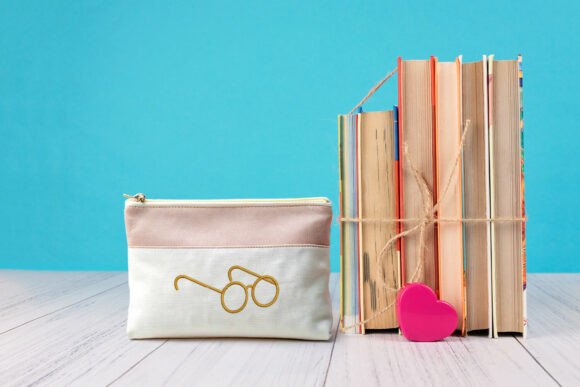
First impression? Round Nerd Glasses Mini Embroidery lands with playful irony: round frames, subtle lens detailing, and that unmistakable “amok” text rendered in a witchy retro font—think 70s occult book covers meets library card catalog charm. It’s not literal eyewear—it’s attitude stitched small. As an embroidery designer who’s stitched hundreds of mini motifs for boutique apparel and custom gifts, I immediately pictured this on a cream cotton tote bag for a local indie bookstore’s Back To School launch. The shape is compact, the theme instantly legible, and the retro tone feels intentional—not trendy, but timeless enough to age well on handmade products.
Where This Applique Design Actually Shines
Round Nerd Glasses Mini Embroidery works best where personality matters more than precision: embroidered patches for denim jackets, baby onesies (paired with soft pastel thread), aprons for craft studios, or pillow covers in a reading nook. I tested it on a medium-weight cotton twill tote—no puckering, no distortion—and the satin stitch around the frame held crisp definition without overloading the fabric. Because it fits comfortably in a 4×4 hoop, it’s ideal for quick-turn projects: holiday embroidery on tea towels, personalized sweatshirt cuffs, or even as a subtle accent on the chest pocket of a unisex cap (though curved surfaces demand careful hooping—more on that shortly).
For Etsy sellers and small shop owners, this design bridges niche appeal and broad usability. It reads clearly at small scale—no squinting required—and its “witchy retro” mood resonates across audiences: teachers buying classroom gifts, librarians curating staff swag, or craft fair shoppers seeking clever, non-cutesy handmade product. When used as a repeat motif (as suggested), it adds rhythm without visual noise—perfect for bordering a nursery quilt or framing a custom embroidered kitchen towel.
Real-World Stitching Notes You Can’t Skip
This is an applique design, so fabric choice and stabilizer matter more than usual. On thin or stretchy fabric—like lightweight jersey tees or baby rib knit—skip the raw-edge look unless you’re using cutaway + tear-away combo stabilizer and reducing top tension slightly. I found the inner “amok” lettering holds up well down to the smallest included size, but only if your machine handles fine satin stitches consistently. If your embroidery file renders dense fill stitch in the lenses, test it first on scrap fabric: too much density = stiffening, poor drape, and potential fraying after wash.
Dark fabric? Absolutely doable—but avoid light gray or heathered threads for the frame outline. Go bold: deep plum, charcoal, or matte black thread gives authority to the retro shape. For light fabric, a rich mustard or forest green thread lifts the witchy vibe without looking costumey. And yes—check your thread color contrast *before* stitching the final piece. What looks balanced on screen rarely translates 1:1 to fabric.
Where Caution Is Built In
Round Nerd Glasses Mini Embroidery isn’t built for ultra-fine detail work. Don’t push it onto silk, chiffon, or tightly woven linen without extensive testing—the satin stitch can snag or sink unevenly. Avoid placing it directly over seams, darts, or curved garment areas like cap crowns unless you’ve pre-stabilized thoroughly and verified hoop clearance. Also, while the design repeats nicely, don’t auto-repeat it across a full sweatshirt back without spacing checks: tiny motifs too close together lose impact and risk thread nesting.
And here’s what many crafters overlook: licensing. The product description confirms it’s an embroidery file with commercial-use formats—but always verify license terms before listing finished embroidered patches or apparel on Etsy or wholesale platforms. If you’re selling digital embroidery files yourself, double-check whether redistribution or derivative design rights are included. When in doubt, contact the designer.
Design Judgment for Real Projects
As a designer reviewing Round Nerd Glasses Mini Embroidery for actual client work, I ask three things: Does it enhance the product—or distract from it? Does it stitch reliably across common fabrics and machines? And does it feel authentically handmade, not mass-produced? On all counts, this design delivers—with caveats. Its charm lies in restraint: it doesn’t shout; it winks. That makes it strong for branding consistency—imagine it stitched identically on staff aprons, gift tags, and packaging tape for a small shop’s Back To School collection. Customers notice thoughtful details like this. They trust makers who understand scale, texture, and wearability.
It also elevates perceived value. A plain cotton tote becomes a conversation starter. A simple baby onesie gains narrative depth. That’s the quiet power of well-chosen embroidery design assets: they turn functional items into keepsakes. But that only happens when execution matches intention—so test the design on scrap fabric first, confirm your hoop size aligns with the largest included version, inspect corners for thread breaks, and preview it in both black-and-white and color mockups. See how it reads at arm’s length—not just on screen.
Final Thoughts for Makers Who Ship Real Work
If you embroider for clients, sell on Etsy, or stock a local boutique, Round Nerd Glasses Mini Embroidery is a smart, versatile addition—not because it’s flashy, but because it’s focused. It solves a real need: adding character without clutter, nostalgia without cliché, wit without weariness. Use it where authenticity matters—custom apparel, personalized gifts, small-batch merchandise—and treat it like the considered design asset it is. Not every embroidery file earns repeat use. This one does.
- Always test Round Nerd Glasses Mini Embroidery on scrap fabric matching your project’s weight and stretch
- Use appropriate stabilizer—cutaway for knits, tear-away for stable wovens, fusible for lightweight layers
- Check stitch density in the lens area—if overly dense, reduce fill percentage slightly in your software
- Confirm licensing terms before selling finished embroidered items or digital embroidery files commercially
- Compare how the design reads on light vs. dark fabric backgrounds before finalizing thread colors