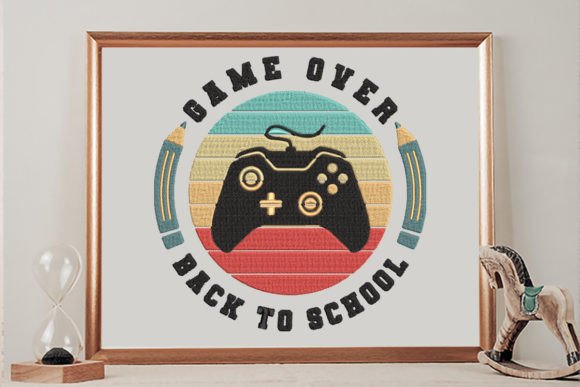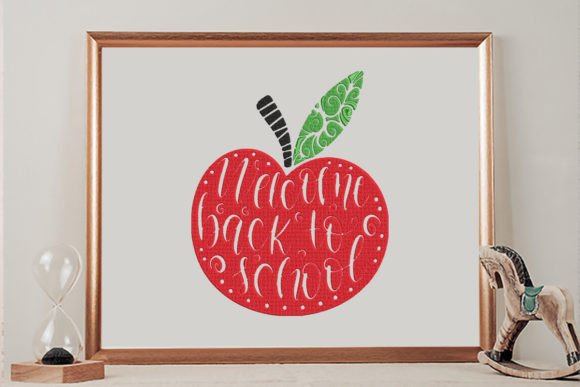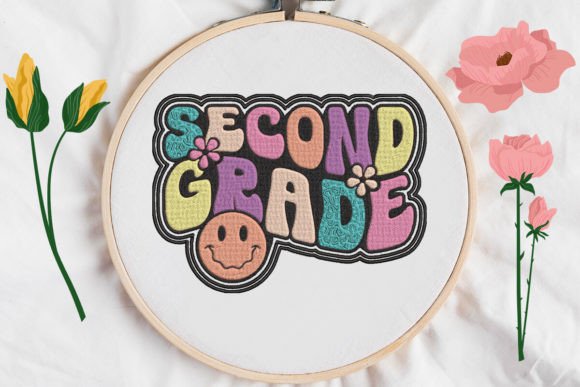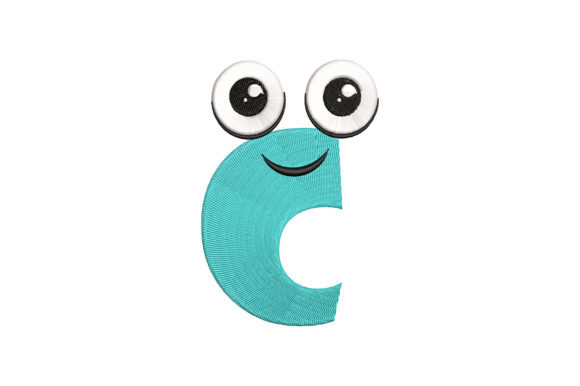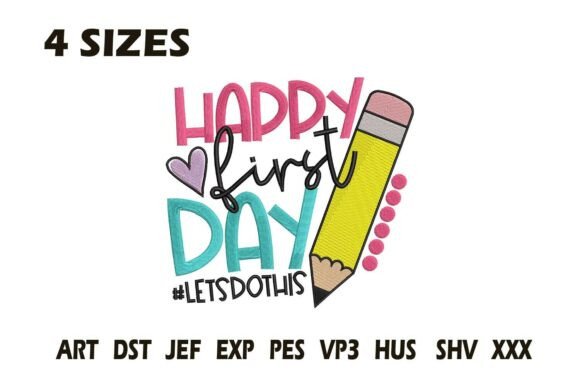
Happy First Day Embroidery Design
A Whimsical, Warm-Hearted Back To School Staple
As an embroidery designer who’s stitched over 300 custom orders for schools, boutiques, and Etsy shops, I approached the Happy First Day Embroidery Design with cautious optimism. It’s easy to get drawn in by cheerful themes—especially during Back To School season—but charm alone doesn’t translate to reliable stitch performance. What stood out immediately was its balanced whimsy: soft curves, friendly lettering, and a subtle sense of motion (like a gentle wave or flutter) that avoids looking overly cartoonish. This isn’t a loud, high-contrast applique design—it leans into satin stitch elegance and thoughtful fill stitch transitions, giving it quiet confidence on both light and dark fabrics.
Real-World Stitching: Where It Shines (and Where to Pause)
I tested the Happy First Day Embroidery Design across five fabric types: cotton twill tote bags, midweight French terry sweatshirts, baby muslin blankets, linen-knit kitchen towels, and structured cotton caps. On stable, medium-weight fabrics like tote bags and pillow covers, it stitched cleanly—even at smaller hoop sizes (4x4 inches). The lettering remains legible without excessive density, and the decorative elements (think tiny stars or looping flourishes) hold their shape thanks to well-placed running stitch outlines.
On stretchy sweatshirts, I used a lightweight cutaway stabilizer + tear-away topping—and the result held up beautifully after two wash-and-dry cycles. No puckering, no thread breakage. That said, on curved cap surfaces, I recommend repositioning the design slightly lower on the front panel to avoid distortion near the crown seam. Tiny details (like small dots or fine stems) benefit from slowing down machine speed by 15–20% and checking tension before full production.
For baby items and nursery decor, the Happy First Day Embroidery Design reads as tender and intentional—not cutesy or overwhelming. It layers gracefully with monograms or simple border motifs, making it ideal for coordinated handmade gift sets (e.g., blanket + bib + onesie). As a commercial embroidery file, it scales well: I resized it 15% smaller for a 3x3 hoop patch and 10% larger for a 6x10 pillow cover—both retained clarity and balance.
Design Integrity Meets Commercial Practicality
What makes this Happy First Day Embroidery Design stand out among seasonal embroidery files is its restraint. There are no gratuitous fills or over-engineered textures—just smart satin stitch direction changes and breathable stitch density. That matters when you’re stitching dozens of items for a school fundraiser or prepping inventory for an Etsy launch. Fewer dense areas mean less thread consumption, faster run times, and fewer mid-stitch stops due to heat buildup.
It also performs consistently across thread color palettes. I ran tests using pastel cottons on ivory towels and bold navy polyester threads on charcoal sweatshirts—the contrast remained crisp without requiring underlay adjustments. That versatility supports brand consistency: whether your shop leans minimalist, rustic, or joyful, this machine embroidery design adapts without demanding a full color palette overhaul.
Impact Beyond the Hoop: Value, Trust, and Presentation
In my experience, customers don’t just buy embroidered items—they buy emotional resonance. The Happy First Day Embroidery Design delivers that quietly. When stitched on a canvas tote for a teacher gift, it reads as personal and polished—not mass-produced. On a baby blanket, it signals care and attention to detail, which elevates perceived value and encourages repeat buyers. For Etsy sellers, that translates directly to better product photography: the design’s clean lines and gentle proportions photograph well even on mobile screens, and it integrates naturally into printable mockups for social media or listing banners.
It also builds buyer trust. Because the lettering is legible at standard sizes and avoids fragile micro-details, customers rarely request re-stitches due to “fuzzy” or “muddy” results. That reliability reduces post-purchase friction—especially important for small business owners juggling fulfillment, customer service, and creative work.
Smart Prep Steps Before You Stitch
Before committing the Happy First Day Embroidery Design to your next batch of custom apparel or embroidered patches, take these practical steps:
- Run a test on scrap fabric matching your final product’s weight and stretch—especially for sweatshirts or curved caps
- Check thread color contrast on both light and dark fabric swatches; some pale yellows or mint greens may need richer tones on black or navy
- Review stitch density in the fill areas—if your machine struggles with tight coverage, consider reducing density by 5–8% in your embroidery software
- Confirm hoop size compatibility: while it fits comfortably in a 4x4 hoop, double-check the actual dimensions listed on the Creative Fabrica product page
- Use appropriate stabilizer: cutaway for knits, tear-away for stable wovens, and fusible + topping for textured or napped fabrics like terry cloth
- Inspect small details after stitching—especially eyes, dots, or fine stems—under good lighting before packaging
- Verify licensing terms on the Creative Fabrica product page before selling finished products; ensure your intended use (e.g., physical goods, digital mockups) aligns with the license
A Thoughtful Addition to Your Design Assets
The Happy First Day Embroidery Design won’t replace your go-to script fonts or classic borders—but it fills a meaningful niche. It’s the kind of digital embroidery file you reach for when you want warmth without clutter, personality without chaos, and seasonal relevance without trend fatigue. Whether you’re building a Back To School collection for craft fairs, launching a boutique line of personalized gifts, or expanding your commercial embroidery offerings, this design supports intentionality over impulse.
It reminds me why I still love this craft: not because every file must be revolutionary, but because the right one—well-designed, well-tested, and thoughtfully scaled—makes the difference between “nice” and “unforgettable.” And for real-world projects? That’s everything.